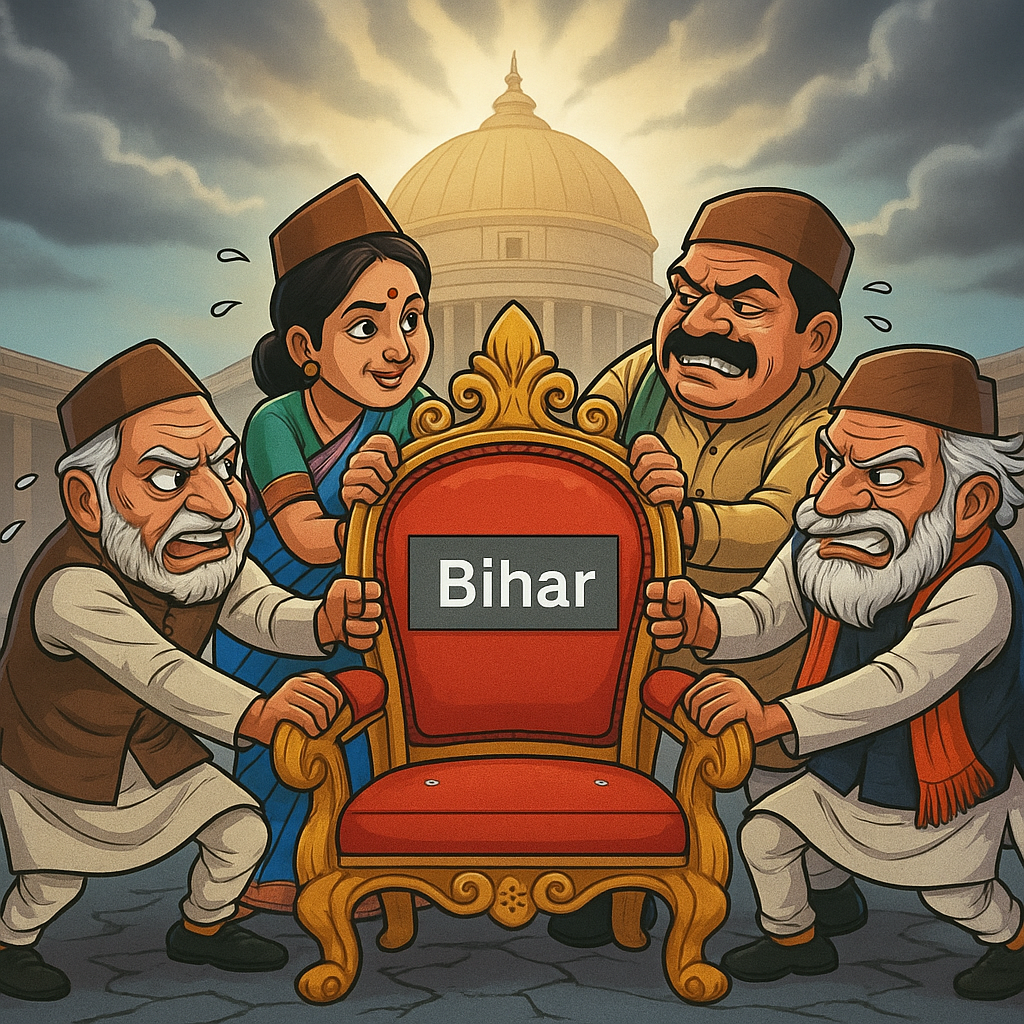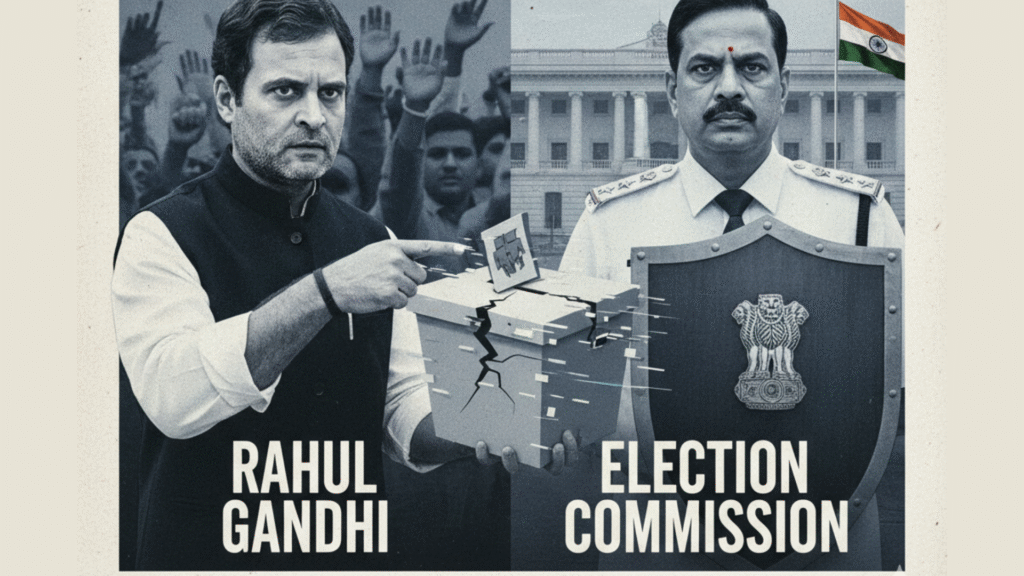
In Delimitation Bill Defeat Sparks Strong Reaction From MK Stalin
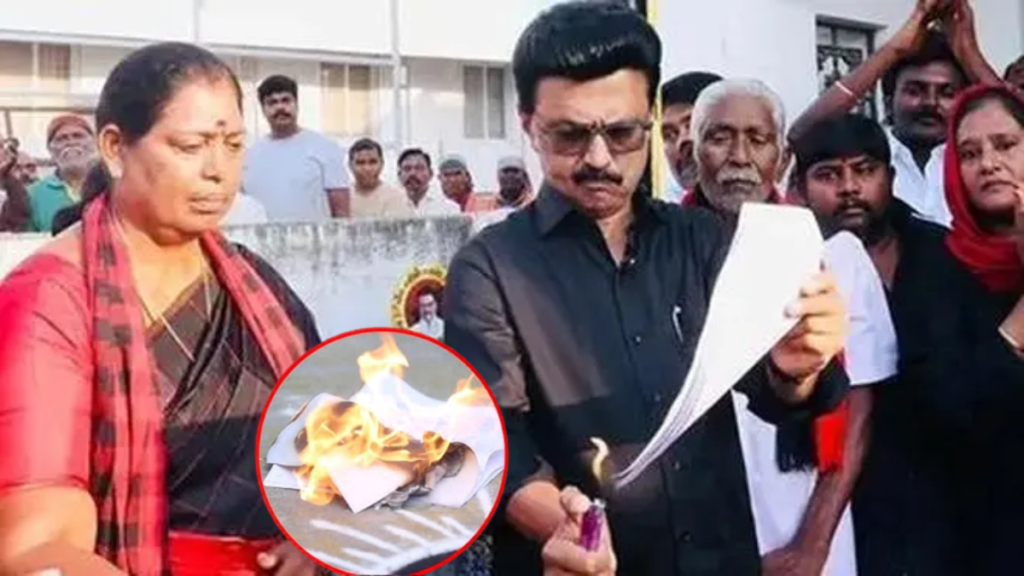
Tamil Nadu Chief Minister M.K. Stalin has reacted strongly after the proposed Constitution Amendment Bill related to delimitation failed to pass in the Lok Sabha. Calling it a victory for democratic values, Stalin said that the South stood united and made its voice heard.
The development has triggered political discussions across the country, especially regarding representation and federal balance.
What Was the Delimitation Bill About?
The proposed amendment aimed to restructure parliamentary representation through delimitation, which could eventually increase the number of seats in the Lok Sabha.
The move was also linked to enabling 33% reservation for women in Parliament, but it required a two-thirds majority to pass. Despite significant support, the bill failed to secure enough votes in the House.
This outcome has now become a major talking point in national politics.
MK Stalin’s Stand on Delimitation
Reacting to the result, MK Stalin on delimitation bill made it clear that his party was never against delimitation itself.
Instead, he emphasized the need for:
- Fair representation
- Proper consultation with states
- A transparent and well-thought-out process
He stated that such an important decision should strengthen India’s unity, not disturb the balance between states.
Focus on Federalism and Fairness
Stalin highlighted that delimitation is not just a technical exercise but a matter of democratic representation. According to him, it determines who gets a voice in the country’s governance.
He reiterated Tamil Nadu’s long-standing commitment to:
- Justice and equality
- State rights
- Federal structure of India
- His remarks underline concerns among southern states about maintaining balanced representation.
Opposition Unity Played a Key Role
The Chief Minister also thanked opposition parties for standing together during the voting process.
The united stance of multiple parties played a crucial role in preventing the bill from passing, showcasing the importance of collaboration in parliamentary democracy.
Women’s Reservation Debate Continues
While addressing the issue, Stalin also spoke about the Women’s Reservation Bill, stating that his party fully supports its implementation.
However, he questioned linking it with delimitation, suggesting that:
- The reservation could have been implemented independently
- More clarity and consultation were needed before combining the issues
He stressed that women’s representation should not be delayed due to procedural complications.
Political Implications of the Bill’s Defeat
The failure of the bill has broader political implications:
- It highlights growing concerns over representation imbalance
- Raises questions about Centre-State relations
- Strengthens the narrative of regional unity in the South
The issue is likely to remain a key topic in upcoming political debates.
Also Read: महिला आरक्षण बिल 2029: भारतीय राजनीति में ‘नारी शक्ति’ का नया दौर
Final Thoughts
The reaction of MK Stalin on delimitation bill reflects a larger conversation about fairness, representation, and federalism in India.
While the bill’s defeat has been seen as a win for opposition unity, it also signals the need for broader consensus on critical reforms like delimitation and women’s reservation.
As the debate continues, the focus will remain on ensuring that democratic processes are inclusive, transparent, and balanced for all states.