
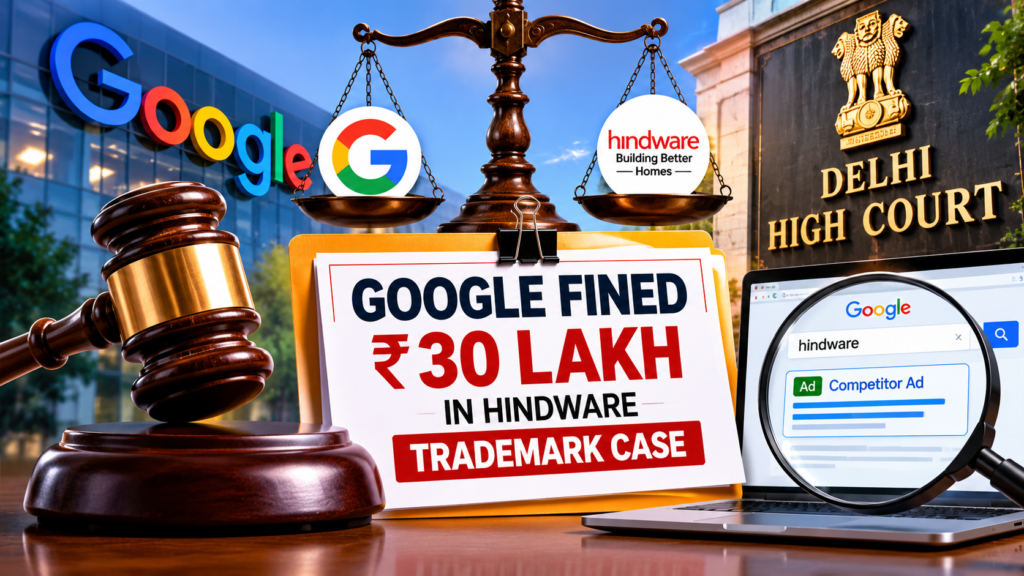
Google Hindware Trademark Case has emerged as one of the most closely watched legal developments in India’s technology and digital advertising landscape. The ruling has not only raised questions about trademark protection on online platforms but has also triggered a larger debate about the responsibilities of search engines in the digital era.
Why did one of the world’s largest technology companies face legal scrutiny in India?
Could this decision reshape the future of online advertising?
Will other technology platforms now face increased legal pressure over trademark-related disputes?
These questions are driving significant public interest as the Google Hindware Trademark Case continues to make headlines across the country.
The case highlights the growing tension between digital advertising practices and intellectual property rights, an issue that is becoming increasingly important as businesses invest more heavily in online marketing.
Advertisement

Also Read :- Noida International Airport: Why Is June 15 Being Called a Historic Day for Delhi NCR?
Google Hindware Trademark Case: What Triggered The Legal Dispute?
The Google Hindware Trademark Case revolves around allegations concerning the use of a registered trademark within online advertising practices.
At the center of the dispute was the concern that trademark-protected branding could potentially be used in a manner that creates confusion among consumers searching for specific products or services online.
Trademark owners invest substantial resources in building brand recognition and customer trust.
But what happens when a competitor’s advertisement appears in response to a search linked to that trademark?
Could consumers mistakenly believe they are interacting with the original brand?
Could such advertising practices dilute trademark value?
These concerns formed the foundation of the legal battle that ultimately reached the Delhi High Court.
Advertisement

Why Did The Delhi High Court Impose A Fine?
One of the biggest questions surrounding the Google Hindware Trademark Case is why the Delhi High Court decided to impose a financial penalty.
The court examined issues related to trademark protection and the role of digital advertising systems in displaying sponsored content linked to trademark-related searches.
The ruling emphasized the importance of safeguarding intellectual property rights in an increasingly digital marketplace.
As online advertising becomes more sophisticated, courts around the world are paying closer attention to how platforms manage trademark-related disputes.
The Delhi High Court’s decision has therefore attracted attention not only from legal experts but also from businesses, advertisers, and technology companies.
Many observers are asking:
Could this ruling become a reference point for future trademark disputes involving online platforms?
The answer may influence the future direction of digital advertising regulation in India.
How Does The Google Hindware Trademark Case Affect Advertisers?
The impact of the Google Hindware Trademark Case extends far beyond a single legal dispute.
Thousands of businesses rely on search advertising to attract customers.
Many companies compete for visibility using keyword-based advertising strategies.
But where should the line be drawn between competitive advertising and trademark misuse?
Advertisers are now paying closer attention to questions such as:
- Can trademarked terms be used in advertising campaigns?
- What legal risks exist when bidding on branded keywords?
- Could future violations result in legal action?
- How should businesses protect their trademarks online?
The case serves as a reminder that digital marketing strategies must increasingly consider intellectual property laws alongside advertising objectives.
Could Other Technology Platforms Face Similar Scrutiny?
One of the most significant aspects of the Google Hindware Trademark Case is its potential impact on the broader technology industry.
Google is not the only platform involved in digital advertising.
Numerous online services operate advertising ecosystems that rely on keyword targeting and search visibility.
As a result, legal experts are closely watching whether similar questions may arise for other platforms.
The ruling has prompted a wider discussion:
Should digital platforms bear greater responsibility for trademark-related violations occurring within their advertising systems?
Are existing safeguards sufficient to protect brand owners?
Could regulatory oversight increase in the coming years?
These questions are becoming increasingly relevant as online advertising continues to expand.
Why Is Trademark Protection Becoming More Important In The Digital Age?
The Google Hindware Trademark Case arrives at a time when brand identity has become one of the most valuable business assets.
Consumers often begin their purchasing journey with an online search.
This means trademarks now play a critical role in helping users identify trusted brands.
When confusion occurs in search results or digital advertisements, businesses may face reputational and commercial challenges.
Questions businesses are increasingly asking include:
- How can trademarks be protected online?
- Are current laws keeping pace with technology?
- What responsibilities do platforms have toward brand owners?
- How should disputes be resolved in digital environments?
The growing importance of these questions explains why the case has attracted attention far beyond legal circles.
What Does The Ruling Mean For India’s Digital Advertising Industry?
The Google Hindware Trademark Case could have lasting implications for India’s rapidly growing digital advertising sector.
The country’s online advertising market continues to expand as businesses shift marketing budgets toward digital platforms.
However, growth often brings new legal and regulatory challenges.
Industry stakeholders are now evaluating whether the ruling could influence:
- Advertising compliance requirements
- Trademark monitoring practices
- Platform policies
- Keyword bidding strategies
- Intellectual property enforcement
Some experts believe the decision may encourage stronger trademark protection mechanisms.
Others argue that it could lead to more detailed guidelines governing digital advertising practices.
Either way, the conversation around digital accountability is likely to intensify.
Why Is The Google Hindware Trademark Case Trending Online?
Search interest in the Google Hindware Trademark Case has surged because the dispute sits at the intersection of technology, law, business, and advertising.
People are actively searching for:
- Why was Google fined ₹30 lakh?
- Delhi High Court Google trademark case
- Hindware trademark dispute explained
- Google trademark infringement case
- Online advertising legal issues
- Google keyword advertising rules
- Trademark protection in digital marketing
The combination of a major technology company, a court ruling, and broader implications for online advertising has made the case one of the most discussed legal technology stories in recent weeks.
Could This Be A Turning Point For Online Advertising Regulation?
Perhaps the most important question emerging from the Google Hindware Trademark Case is whether it signals a broader shift in regulatory expectations.
As technology platforms continue to shape how consumers discover products and services, regulators and courts are increasingly examining platform responsibilities.
Businesses, advertisers, and legal professionals are now closely monitoring future developments.
Could stricter trademark enforcement become the norm?
Could digital advertising platforms introduce new compliance measures?
Could brand owners gain stronger legal protections online?
The answers to these questions may shape the future of digital advertising in India.