
Proposed high-speed rail link could redefine travel between Delhi and Uttarakhand
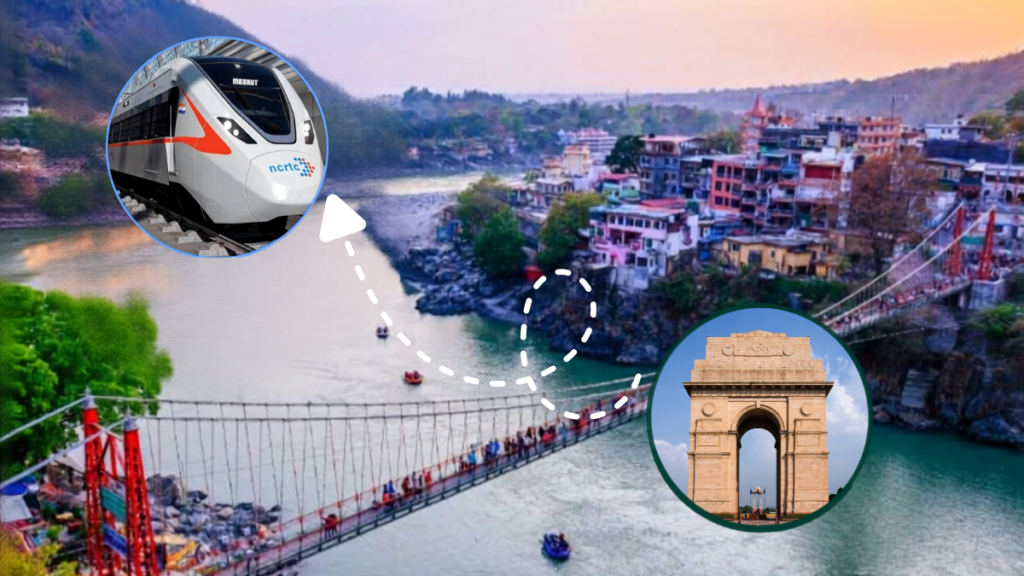
Travel between Delhi and Rishikesh may soon become significantly faster, as plans are being explored to extend the Namo Bharat Regional Rapid Transit System (RRTS) beyond NCR. The proposed expansion aims to reduce travel time to nearly 3 hours, offering a major upgrade over existing road journeys.
The Delhi Rishikesh RRTS project is being seen as a potential game-changer for connectivity, tourism, and regional development.
Delhi Rishikesh RRTS: What the Proposal Suggests
The proposed Delhi Rishikesh RRTS extension is part of a broader effort to expand high-speed rail connectivity from Delhi to nearby states.
Currently, the Namo Bharat RRTS network is focused on NCR routes, but authorities are now exploring its extension towards Uttarakhand, with Rishikesh emerging as a key destination.
Travel Time Could Drop to Around 3 Hours
One of the biggest highlights of the Delhi Rishikesh RRTS plan is the expected reduction in travel time:
- Present travel time: around 5 to 7 hours by road
- Expected via RRTS: approximately 3 hours
This improvement would make travel faster, more reliable, and less affected by traffic congestion.
Delhi Rishikesh RRTS Ticket Price (Expected Cost)
While official fares for the proposed Delhi–Rishikesh RRTS corridor have not been announced yet, estimates based on existing Namo Bharat routes suggest that ticket prices could range between ₹800 to ₹1,500 for a one-way journey, depending on the distance and class of travel. This pricing would position the RRTS as a mid-range option—more expensive than regular trains but significantly cheaper and faster than private cabs—making it a practical choice for both tourists and regular commuters.
Expected Route and Key Stops
The proposed Delhi Rishikesh RRTS corridor is likely to connect several important cities along the way:
- Delhi / NCR region
- Meerut
- Muzaffarnagar
- Haridwar
- Rishikesh
This route would link major urban, industrial, and religious hubs, boosting regional connectivity.
Major Benefits of Delhi Rishikesh RRTS
The Delhi Rishikesh RRTS project offers multiple advantages:
Faster and Comfortable Travel
High-speed trains will ensure smooth and time-efficient journeys
Boost to Tourism
Easier access to Rishikesh and nearby destinations like Haridwar
Economic Growth
Improved connectivity can support businesses and local economies
Environment-Friendly Transport
Rail-based travel reduces emissions compared to road transport
Impact on Tourism and Pilgrimage
Rishikesh and Haridwar are among the most visited spiritual and tourist destinations in India.
With the Delhi Rishikesh RRTS, travelers could benefit from:
- Quicker weekend trips
- Better connectivity for pilgrims
- Increased tourism-driven economic activity
Current Status of the Project
The Delhi Rishikesh RRTS extension is currently in the planning and proposal stage.
- Feasibility discussions are ongoing
- Final approvals are yet to be granted
- Implementation timeline is not confirmed
Authorities are evaluating the viability and benefits of extending the corridor.
Challenges Ahead
While the proposal is promising, several factors need to be addressed:
- High infrastructure costs
- Land acquisition requirements
- Environmental approvals
These challenges will play a key role in determining the project’s future.
Also Read: Delhi-Dehradun Expressway: Travel Time, Toll Charges & Cost Comparison Explained
What Lies Ahead
The proposed Delhi Rishikesh RRTS highlights India’s push toward faster and smarter transportation systems. If approved, it could significantly change travel dynamics between Delhi and Uttarakhand.
At present, the project remains under consideration, but it has already generated strong interest among commuters, tourists, and industry experts.