TCS Nashik Harassment Case Puts Workplace Safety in Spotlight
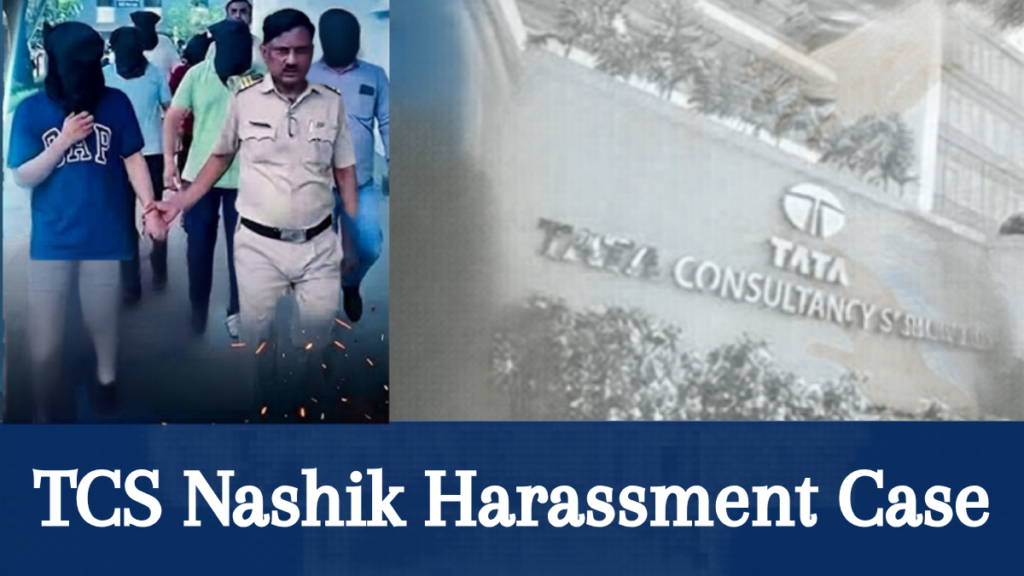
India’s largest IT services company, Tata Consultancy Services (TCS), is facing serious scrutiny after a sexual harassment case surfaced at its Nashik facility. The company has suspended multiple employees as police investigations intensify, while questions are also being raised about the role of the HR department in handling earlier complaints.
The case has triggered widespread concern about workplace safety, internal complaint mechanisms, and corporate accountability.
Multiple FIRs Filed, Police Investigation Expands
The controversy escalated after multiple women employees came forward with allegations of harassment and coercion. According to media reports, at least nine FIRs have been registered in connection with the case.
Several employees have already been arrested, while others remain under active investigation. The complaints reportedly include serious accusations such as inappropriate behavior, repeated harassment, and misuse of authority over time.
Authorities are now examining whether these incidents were isolated or part of a larger pattern within the workplace.
TCS Responds With Suspensions and Cooperation
TCS has taken immediate action by suspending employees linked to the investigation. In an official statement, the company emphasized its commitment to maintaining a safe work environment.
The company stated that it follows a strict zero-tolerance policy toward any form of harassment and is fully cooperating with law enforcement agencies. Further actions will depend on the findings of the ongoing investigation.
This response is seen as an attempt to manage both internal accountability and public trust.
HR Department Under Scanner for Alleged Inaction
A key aspect of the case is the scrutiny of the HR department’s role. Reports suggest that some employees had previously raised concerns, but appropriate action may not have been taken at the time.
A Pune-based HR official is now being questioned by investigators. Authorities are assessing whether there were failures in following POSH (Prevention of Sexual Harassment) guidelines and whether internal complaint procedures were properly executed.
This angle has added another layer to the case, highlighting potential gaps in corporate grievance handling systems.
Special Investigation Team (SIT) Formed
Given the seriousness and scale of the allegations, a Special Investigation Team (SIT) has been formed to handle the case. The SIT is reviewing multiple complaints, some of which reportedly date back several years.
Investigators are analyzing employee statements, company records, and other evidence to understand the full extent of the issue.
The formation of an SIT indicates that authorities are treating the matter as a high-priority case.
Government and Public Attention Increases
The case has also drawn attention at the state level. Maharashtra Chief Minister Devendra Fadnavis has reportedly termed the matter “very serious,” signaling strong administrative focus.
As the investigation unfolds, the case is becoming a significant talking point around workplace ethics and corporate governance in India.
Bigger Questions on Workplace Accountability
Beyond TCS, this case has sparked broader discussions about how large organizations handle employee complaints. It raises critical concerns such as:
- Are internal complaint systems truly effective?
- Do employees feel safe reporting harassment?
- Are HR teams equipped and accountable enough?
For companies, this serves as a reminder to strengthen compliance frameworks and ensure transparent grievance redressal processes.
Conclusion: Investigation Continues, Impact Likely to Grow
The investigation into the TCS harassment case in Nashik is still ongoing, with more developments expected in the coming days. The outcome could have long-term implications not just for the company, but for workplace policies across the corporate sector.
As more details emerge, the focus will remain on justice for the complainants and accountability at all levels of the organization.