
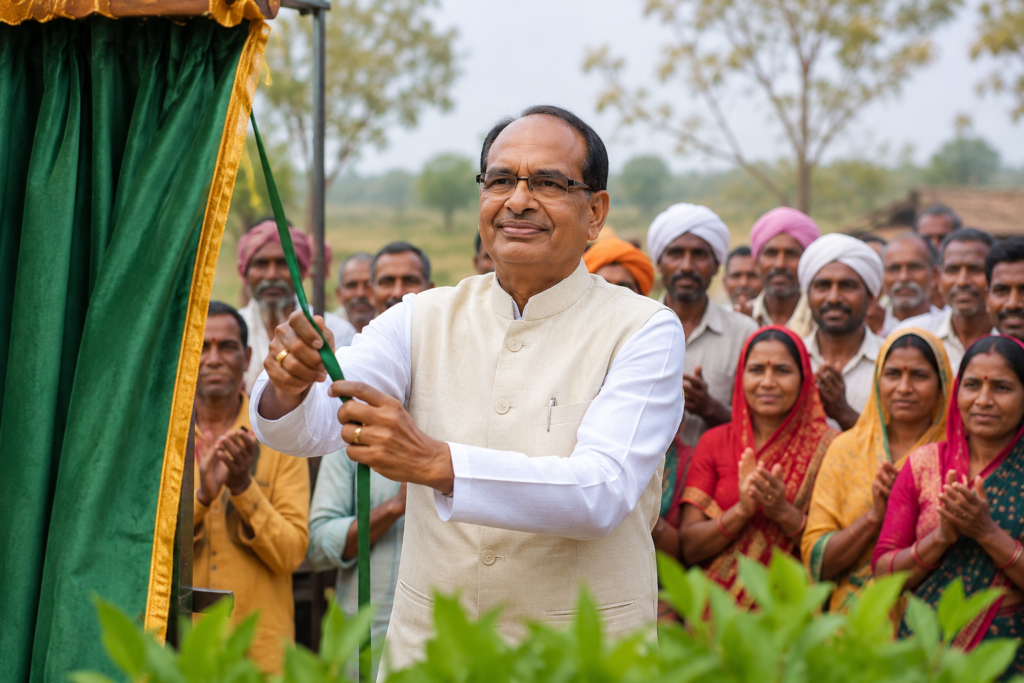
The RAM-G Scheme has officially been launched in West Bengal as the state government introduces a new initiative aimed at strengthening rural employment and supporting livelihoods in villages. The scheme is designed to generate wage employment while improving rural infrastructure and creating productive community assets.
The launch comes at a time when the state is looking to expand employment opportunities for rural workers through state-funded development projects.
What is the RAM-G Scheme?
The RAM-G Scheme (Rural Asset Maintenance–Generation Scheme) is a state government initiative focused on providing employment to rural residents while undertaking the maintenance and development of public assets.
The scheme seeks to create temporary employment opportunities through activities such as road repairs, water conservation, sanitation work, and the upkeep of community infrastructure across villages.
Officials say the initiative is expected to benefit thousands of rural households by ensuring continuous work opportunities and improving essential public facilities.

Why Has the Scheme Been Introduced?
The West Bengal government has introduced the RAM-G Scheme to strengthen rural employment and maintain development activities across villages.
The primary objectives include:
- Generating employment for rural workers.
- Improving village infrastructure.
- Maintaining public assets.
- Supporting economically weaker households.
- Encouraging sustainable rural development.
The government believes the initiative will help create additional livelihood opportunities while enhancing the quality of rural infrastructure.
Key Features of the RAM-G Scheme
Some of the major highlights of the RAM-G Scheme include:
- Employment opportunities for rural residents.
- Maintenance of roads, ponds, drainage systems, and community assets.
- State-funded implementation.
- Focus on village development projects.
- Improved local infrastructure and public services.
The work under the scheme is expected to be carried out through local administrative bodies with proper monitoring and supervision.
Who Will Benefit?
The RAM-G Scheme is expected to benefit:
- Rural workers seeking wage employment.
- Low-income families.
- Local communities requiring better infrastructure.
- Panchayats involved in development work.
- Villages needing maintenance of public assets.
The scheme aims to ensure that employment generation and infrastructure development go hand in hand.
How Will the Scheme Be Implemented?
According to government officials, implementation will be carried out through local panchayats and rural development departments. Projects will be identified based on local requirements, ensuring that public assets receive regular maintenance while generating employment opportunities.
Authorities are expected to monitor project execution to ensure transparency and effective utilization of funds.
Impact on Rural Development
Experts believe the RAM-G Scheme could play an important role in improving rural infrastructure while providing additional employment opportunities.
Better roads, water conservation projects, sanitation improvements, and community asset maintenance can contribute to stronger village economies and improved living conditions.
If implemented effectively, the scheme may also reduce seasonal unemployment in rural areas.
Also Read:Delhi Coaching Centres New Law: Government Gives 1 Month to Coaching Institutes to Meet Safety Norms
Conclusion
The launch of the RAM-G Scheme marks a significant step by the West Bengal government towards strengthening rural employment and infrastructure development. By combining job creation with public asset maintenance, the initiative aims to improve both livelihoods and village facilities.
As the scheme rolls out across the state, its success will depend on effective implementation, transparency, and timely execution of development projects.