

Imagine trying to build the fastest race car in the world, but only having enough money to buy parts for an ordinary bike.
That’s the dilemma India faces in defence technology today, according to the head of the Defence Research and Development Organisation (DRDO), Samir V. Kamat.
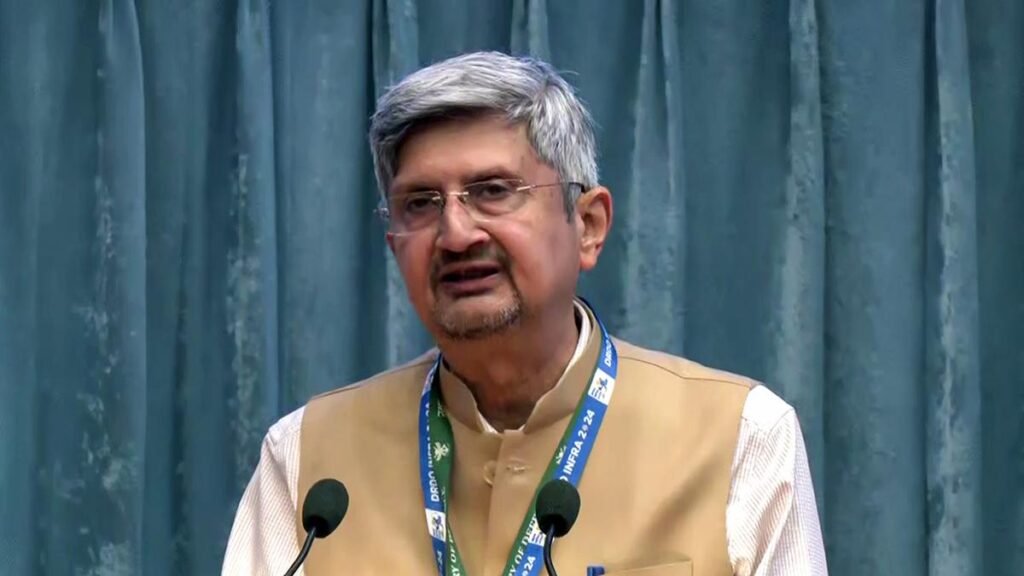
He warns that if India wants to compete with global powers in modern warfare, the country must invest much more in research and development (R&D).
In a recent important speech, Dr. Kamat pointed out a startling fact: India spends only about 5.5-5.75% of its defence budget on R&D, and just 0.65% of overall national spending goes into research.
In contrast, countries like the United States and China dedicate more than 10–15% of their defence money to R&D. This gap, he says, makes it harder for India to lead in cutting-edge defence technologies.
Why does this matter?
- Modern defence isn’t just about tanks and guns anymore. It’s about space systems, cyber defence, artificial intelligence, secure communication, drones, and advanced missiles.
- These new technologies are shaping how wars are fought today and how they will be fought in the future. If India doesn’t keep up, it could fall behind nations that have poured billions into innovation.
- Dr. Kamat stressed that boosting R&D isn’t just about spending more money. It’s also about making it easier for scientists, engineers, start-ups, private companies, and universities to work together.
- Right now, many talented people and small firms want to help build future technologies, but they struggle to get funding, testing facilities, or support from big research projects.
- Dr. Kamat wants stronger collaboration between DRDO, industry, and academia so that smart ideas don’t get stuck on paper.
There’s some good news:
- The defence minister has promised to gradually raise the defence R&D share to around 10% in the coming years, doubling the current amount.
- This would be a big step toward helping India become self-reliant in defence technology.
- In short, India’s defence research needs a bigger budget, better partnerships, and stronger support for innovation if the country truly wants to lead in the tech of tomorrow.
Without these changes, the race for future defence technology may pass India by.