
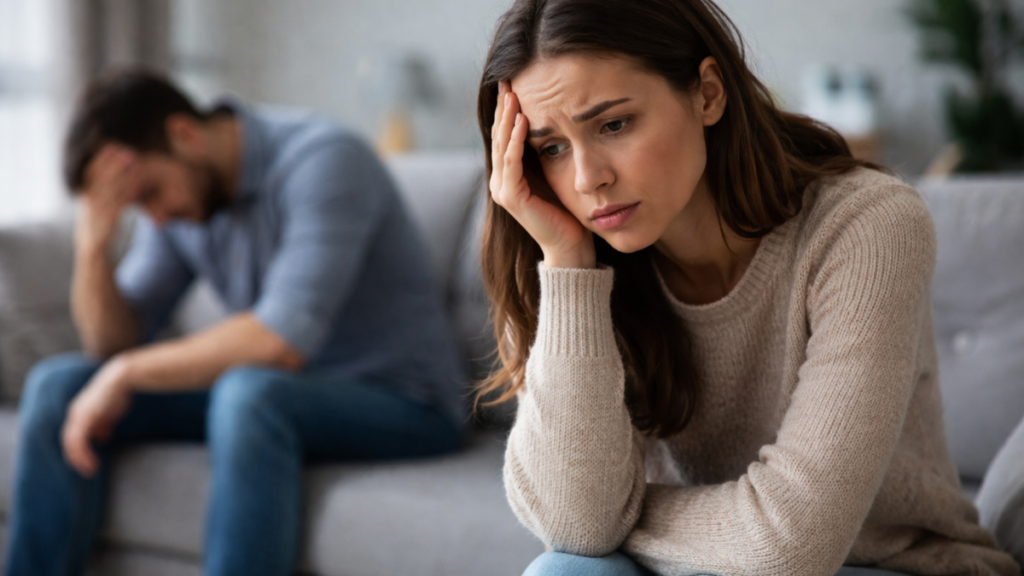
Mental health has become an increasingly important topic in today’s fast-paced world. Among the most common mental health conditions are anxiety and depression, which can affect people of all ages. Understanding the anxiety and depression symptoms early can help individuals seek timely support and improve their overall well-being.
Common Anxiety and Depression Symptoms
Recognizing anxiety and depression symptoms can be challenging, as they often overlap and vary from person to person. However, some common signs include:
- Persistent sadness or low mood
- Excessive worry or fear
- Loss of interest in daily activities
- Difficulty concentrating
- Changes in sleep patterns (insomnia or oversleeping)
- Fatigue or lack of energy
- Irritability or restlessness
These symptoms may start mildly but can worsen over time if ignored.
Emotional and Physical Anxiety and Depression Symptoms
Both anxiety and depression can affect emotional as well as physical health.
Also Read: 7-Day Workout Plan for Weight Loss: Complete Beginner-Friendly Guide
Emotional symptoms include:
- Feelings of hopelessness or emptiness
- Constant overthinking
- Panic or fear without clear reason
- Low self-esteem
Physical symptoms include:
- Headaches or body pain
- Rapid heartbeat
- Shortness of breath
- Digestive issues
- Changes in appetite
Understanding these anxiety and depression symptoms can help differentiate normal stress from a more serious condition.
Causes Behind Anxiety and Depression Symptoms
There is no single cause of anxiety or depression. Several factors may contribute, such as:
- High stress levels (work, studies, relationships)
- Traumatic life events
- Genetic or family history
- Hormonal imbalances
- Social isolation
Modern lifestyle factors like excessive screen time and lack of physical activity can also play a role.
When to Seek Help for Anxiety and Depression Symptoms
It is important to seek professional help if:
- Symptoms last for more than two weeks
- Daily functioning is affected
- There are thoughts of self-harm or hopelessness
- Emotional distress becomes overwhelming
Early intervention can prevent symptoms from becoming severe and improve recovery outcomes.
Ways to Manage Anxiety and Depression Symptoms
While professional treatment is important, some lifestyle changes can help manage symptoms:
- Regular exercise and physical activity
- Maintaining a healthy diet
- Practicing meditation or mindfulness
- Getting enough sleep
- Talking to trusted friends or family
However, these should not replace medical advice in serious cases.
Raising Awareness About Anxiety and Depression Symptoms
Despite growing awareness, mental health issues are still often misunderstood or ignored. Educating people about anxiety and depression symptoms is crucial to breaking stigma and encouraging open conversations.
Important Note:
This article is for informational purposes only. If you or someone you know is struggling, consider reaching out to a qualified mental health professional.