
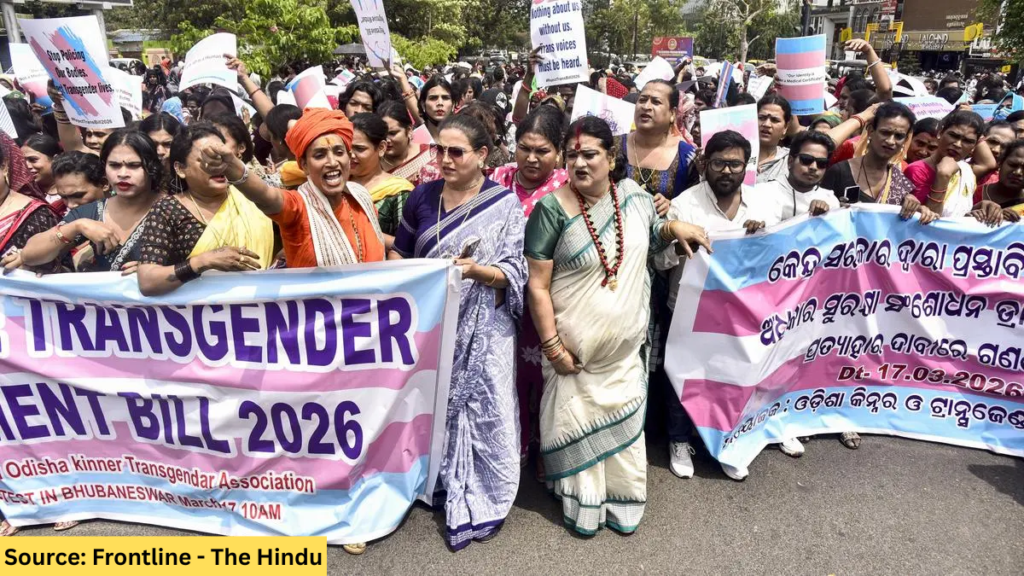
India’s Parliament has passed the Transgender Bill amid intense debate, protests, and opposition from activists and members of the transgender community. While the government has described the legislation as a progressive step toward inclusion and protection, critics argue that several provisions fail to safeguard the rights and dignity of transgender individuals.
What is the Transgender Bill?
The Transgender Bill aims to provide a legal framework for the protection, welfare, and recognition of transgender persons in India. It seeks to prohibit discrimination and ensure equal opportunities in education, employment, healthcare, and access to public services
Key Provisions of the Transgender Bill
1. Definition of Transgender Persons
The bill defines transgender persons as individuals whose gender identity does not match the gender assigned at birth. This includes trans-men, trans-women, intersex variations, and genderqueer individuals.
2. Prohibition of Discrimination
The law bans discrimination against transgender persons in areas such as:
- Education
- Employment
- Healthcare
- Housing
- Public services
3. Right to Self-Perceived Identity (with Conditions)
Individuals can identify themselves as transgender. However, the bill requires certification from a District Magistrate, which has been widely criticized.
4. Welfare Measures
The government is mandated to create welfare schemes focusing on:
- Healthcare access
- Education
- Skill development
- Social security
5. Establishment of National Council
A National Council for Transgender Persons will be set up to advise the government on policies and monitor implementation.
Why the Uproar?
Despite being passed, the Transgender Bill has sparked widespread protests. Key concerns include:
- Certification Requirement: Activists argue that requiring approval from authorities undermines the right to self-identify.
- Lack of Clarity on Reservations: The bill does not clearly provide reservation in education or jobs.
- Punishment Disparity: Critics say penalties for crimes against transgender individuals are lighter compared to similar crimes against cisgender individuals.
- Limited Community Consultation: Many activists claim the bill was passed without adequately incorporating feedback from the transgender community.
Government’s Stand
The government has defended the bill, stating that it is a landmark step toward ensuring dignity and rights for transgender persons. Officials argue that the legislation lays the foundation for long-term reforms and institutional support.
Impact on the Transgender Community
The bill is expected to:
- Provide legal recognition and visibility
- Improve access to welfare schemes
- Encourage inclusion in mainstream society
However, activists warn that without amendments, the law may fall short of delivering true equality and empowerment.