Quick reads
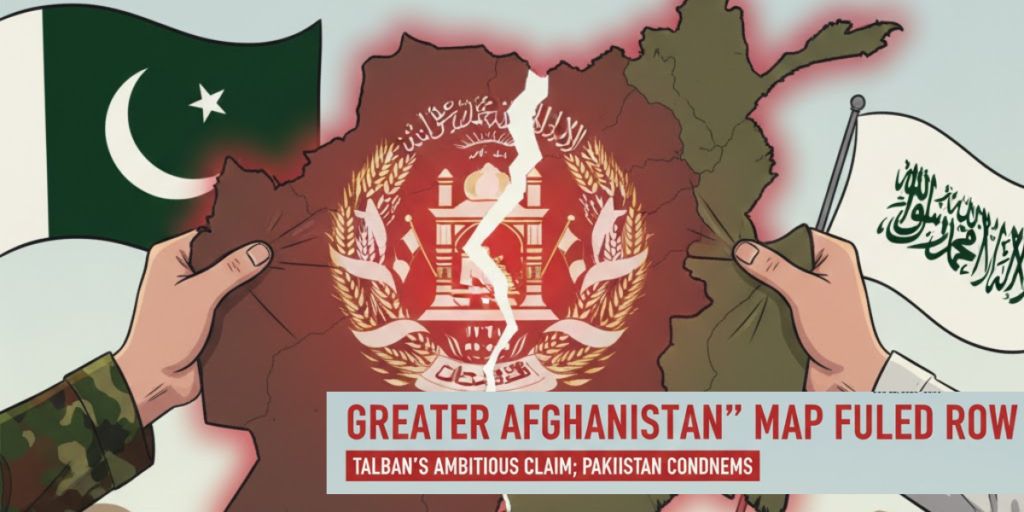
- The Afghan Taliban circulated a map of a so-called “Greater Afghanistan” that depicts parts of Pakistan as Afghan territory.
- Pakistan has publicly rejected the map and warned that it threatens bilateral ties already strained by cross-border violence.
- The map appears amid a wider spike in Afghanistan–Pakistan tensions after recent border clashes and disputed air strikes.
- Islamabad has pressed for talks; recent negotiations in Istanbul have so far failed to resolve core disputes.
- Analysts say the map is symbolic and aimed at domestic audiences, but it risks inflaming nationalist sentiment on both sides.
Where it happened
The controversy centres on Kabul’s publication and circulation of the “Greater Afghanistan” map and the reaction it provoked in Islamabad. The issue has been played out in public statements from Afghan authorities, Pakistani ministers and regional media, and has reverberated in diplomatic exchanges and recent talks held in Istanbul.
How it happened
Taliban-linked outlets and footage circulated a map that incorporates large swathes of Pakistan’s Pashtun-majority areas into an expanded Afghan territory. Pakistani officials and commentators described the map as a direct challenge to Pakistan’s territorial integrity. The publication came as both countries were already grappling with cross-border clashes, accusations of strikes inside each other’s territory and competing narratives about militant groups operating across the frontier.
The story
The Afghan Taliban’s recent circulation of a “Greater Afghanistan” map has renewed a long-running dispute over the Durand Line and raised tensions with Pakistan. Islamabad has denounced the move, saying it undermines bilateral relations already strained by deadly border incidents and mutual accusations over militant sanctuaries.
Officials in both capitals have this month engaged in diplomacy, including talks in Istanbul, but progress has been limited. Reuters and the Washington Post note that while the map carries symbolic weight for some Pashtun nationalist currents, officials say it risks stirring nationalist sentiment and complicating efforts to stabilise the border and resume constructive talks.
Because reporting on this subject is politically charged, this brief sticks to on-the-record statements from news agencies, government comments and coverage in established outlets. Social-media posts and unverified local footage circulating claims about specific ceremonial uses of the map have not been repeated here without independent confirmation. For live updates, follow Reuters, Dawn and major international outlets.