
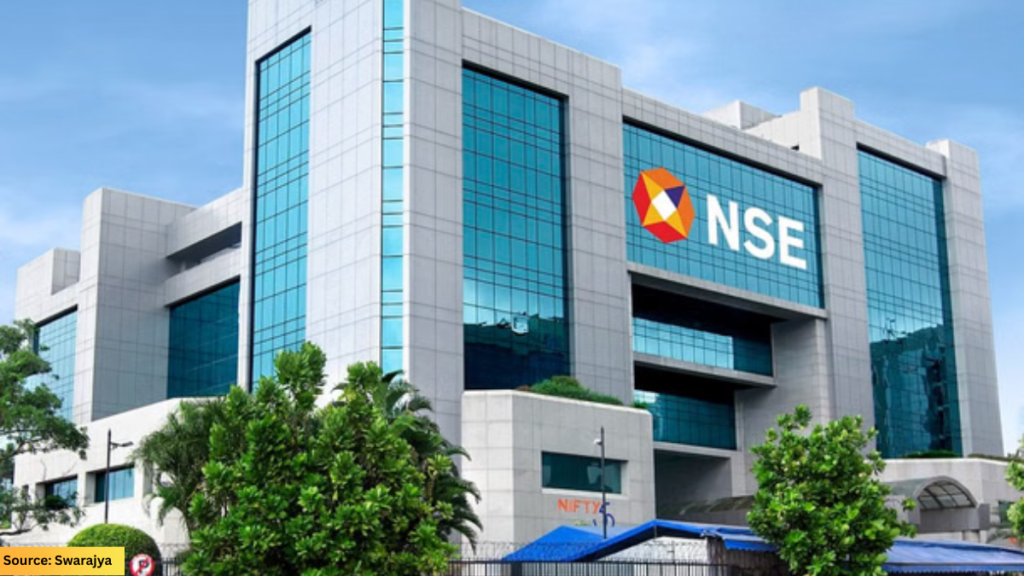
The National Stock Exchange of India (NSE) has announced a major technology upgrade that will reduce trading latency to nanoseconds starting April 11. The move is part of its broader plan to significantly enhance market infrastructure and scale operations to handle up to 100 million transactions per second.
This upgrade places NSE among the fastest stock exchanges globally in terms of order processing speed.
What Is Changing?
1. Latency Reduced to Nanoseconds
Latency refers to the time taken for a trading order to be processed. By cutting it down to nanoseconds (billionths of a second), NSE aims to deliver near-instant trade execution.
2. Massive Processing Capacity
The exchange is targeting the ability to process up to 100 million transactions per second, ensuring smoother performance during peak market hours.
3. Advanced Infrastructure Upgrade
The initiative includes enhanced data center capabilities, upgraded matching engines, and improved network systems to support high-frequency and algorithmic trading.
Why This Matters
- Faster trade execution for brokers and investors
- Reduced risk of system slowdowns during market volatility
- Improved support for algorithmic and high-frequency trading
- Strengthened global competitiveness of Indian markets
The move is expected to benefit institutional investors, trading firms, and technology-driven brokerage platforms.
Impact on Investors
Retail investors may not directly notice the nanosecond difference, but they will benefit from:
- More stable trading systems
- Reduced order delays during heavy volumes
- Enhanced overall market efficiency
Bigger Picture
With increasing participation in Indian equity markets, especially through digital platforms, NSE’s infrastructure upgrade ensures readiness for future growth. The exchange continues to modernize its systems to keep pace with global standards and rising transaction volumes.