
The water contamination crisis in Bhagirathpura, Indore,which had already caused multiple deaths and hundreds of illnesses,has entered a more frightening phase, raising fresh concerns about public health and safety.
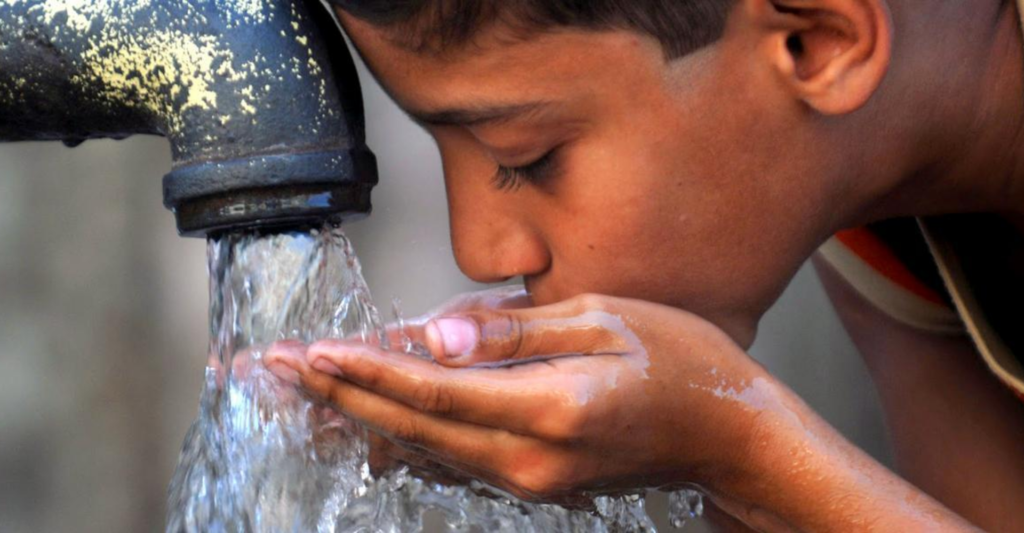
*IMAGE USED FOR REPRESENTATION PURPOSES ONLY*
Earlier Impact
- Dozens of residents fell ill after drinking contaminated water in Bhagirathpura.
- So far, officials confirm at least six deaths, locals say more people may have died than officially reported.
- Around 142 people are currently hospitalized, with many in critical condition and showing symptoms like diarrhoea and dehydration.
Terrifying New Developments
- Doctors are now reporting cases of nerve damage and rare complications believed to be linked to the contaminated water.
- One elderly woman is critically ill with symptoms of a severe neurological condition, and specialists say this may be connected to the toxins or infections from the water.
- Experts warn this shows the problem may be more dangerous and widespread than a standard diarrhoea outbreak.
Government and Health Response
- The local health department is monitoring patients and reporting daily, but some doctors and community activists say the response is too slow.
- Specialized medical teams and technical experts have been brought in to investigate and help contain the outbreak.
- Authorities have shut down parts of the contaminated water supply and begun chlorination and sanitation efforts.
Why It Matters?
- Indore has long been known as one of India’s “cleanest cities,” but this crisis shows serious gaps in water safety and infrastructure.
- Residents had complained about discoloured and foul smelling water for months before the outbreak, but meaningful action came late.
- Families are now calling for accountability and stronger safeguards so this kind of tragedy doesn’t happen again
Conclusion:
What started as a water-borne diarrhoea outbreak has now shown signs of more severe health effects, potentially linked to contaminated drinking water in Bhagirathpura. With hospitalisations still rising and new complications showing up, the crisis highlights the urgent need for effective water safety systems and quick public health action.