
The issue of religious conversion, often referred to as “Dharmantaran” in India, has once again come into the spotlight following renewed political debate and viral social media discussions. The proposed and recently passed anti-conversion laws in several states have intensified the national conversation on religious freedom, legality, and constitutional rights.
A recent social media post by Suresh Chavhanke has further amplified public discourse, bringing attention to what is being described as a stricter push toward regulating religious conversions in India.
What is the Dharmantaran Bill?
The Dharmantaran Bill, commonly referred to as an Anti-Conversion Law, is designed to prevent religious conversions carried out through force, fraud, coercion, or inducement.
India does not have a central anti-conversion law. Instead, individual states have enacted their own “Freedom of Religion Acts” to regulate such practices.
Key Provisions of the New Anti-Conversion Laws
Recent versions of the Dharmantaran Bill introduced in states like Maharashtra, Rajasthan, and Chhattisgarh include strict provisions:
1. Ban on Forced Conversions
- Conversion through force, fraud, misrepresentation, or allurement is illegal.
2. Mandatory Prior Notice
- Individuals must inform the District Magistrate 60 days before conversion.
3. Declaration After Conversion
- A formal declaration must be submitted after conversion for verification.
4. Burden of Proof
- The accused must prove that conversion was voluntary, reversing the usual legal burden.
5. Strict Punishments
- Jail terms ranging from 7 years to life imprisonment in serious cases.
- Heavy fines, especially in cases involving minors, women, or SC/ST communities.
6. Marriage-Linked Conversion Restrictions
- Marriages conducted solely for conversion purposes can be declared void.
Recent Developments Across States
Maharashtra (2026)
- The Maharashtra Freedom of Religion Act, 2026 has been passed.
- Punishments include up to 7 years imprisonment and fines up to ₹7 lakh.
Chhattisgarh (2026)
- One of the strictest laws:
- Life imprisonment for mass illegal conversions.
Rajasthan (2025)
- Includes penalties up to 20 years to life imprisonment.
- Allows property confiscation and institutional penalties.
Why is the Dharmantaran Bill Controversial?
The bill has sparked intense debate across political and social groups.
Supporters Say:
- It protects vulnerable communities from forced or fraudulent conversions
- Ensures transparency and accountability
- Helps maintain social harmony
Critics Argue:
- It may violate Article 25 (freedom of religion)
- Terms like “allurement” are vague and open to misuse
- Could lead to harassment or targeting of minorities
Legal and Constitutional Angle
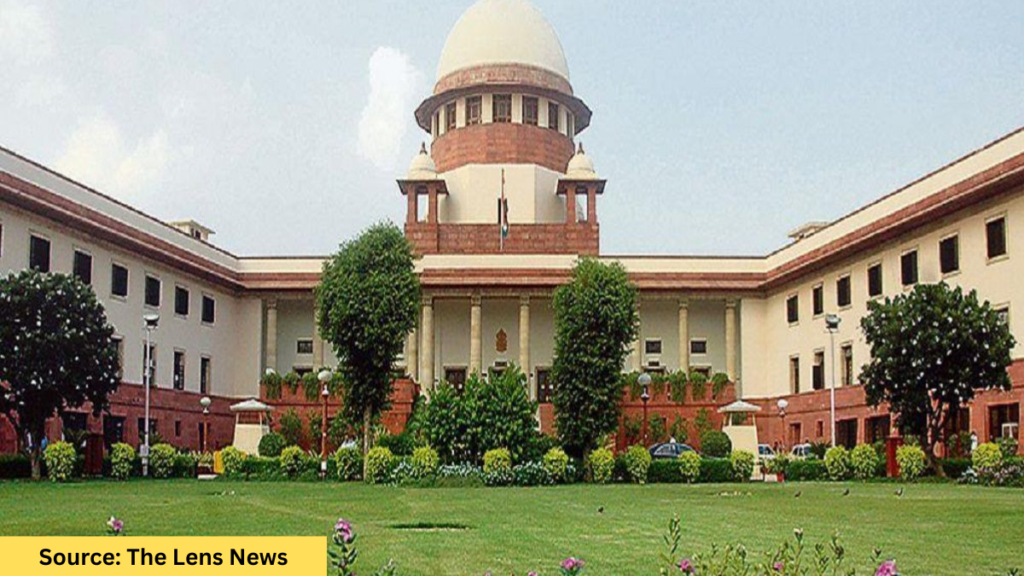
The Supreme Court of India has previously upheld certain anti-conversion laws, stating that forced conversion is not protected under religious freedom.
However, multiple petitions are currently pending, and the court’s future rulings could shape how these laws are implemented nationwide.
Social Media & Political Reaction
The issue gained momentum after commentary from figures like Suresh Chavhanke, whose post reignited debate on:
- “Love Jihad” narratives
- Religious demographics
- Need for stricter nationwide law
Also Read: Transgender Bill Passed in Parliament Amid Uproar: Key Provisions, Reactions, and Impact