
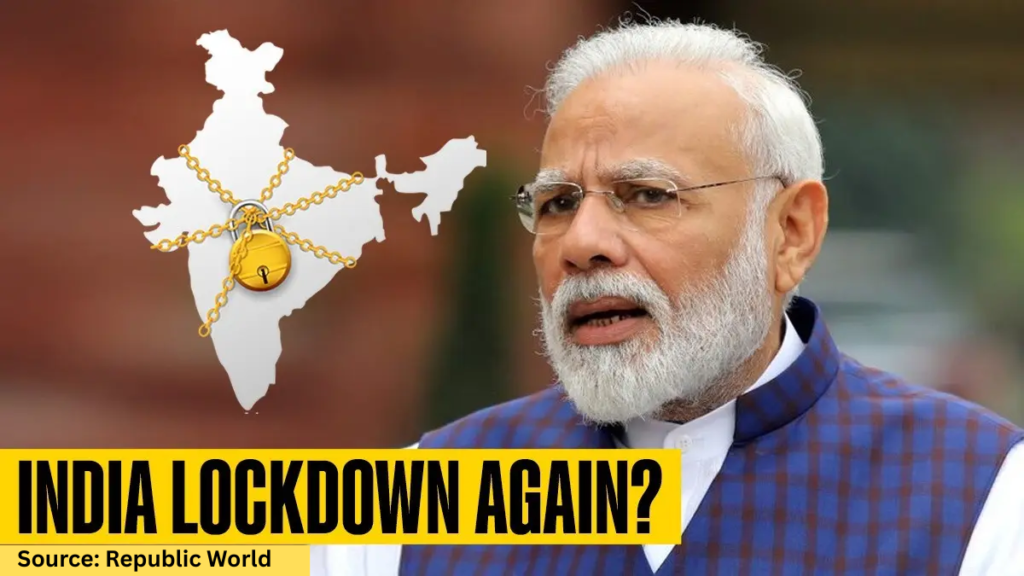
The phrase “Lockdown in India 2026” has suddenly surged on, sparking widespread concern among citizens. As tensions escalate due to the ongoing 2026 Iran War, many are questioning whether India could be heading toward another nationwide shutdown—or if this is simply a case of social media panic.
Why Is “Lockdown in India 2026” Trending?
The spike in searches appears to be driven by a mix of geopolitical anxiety and viral social media posts. The ongoing conflict in West Asia has already begun impacting global energy supplies, with India facing potential disruptions in fuel and LPG imports.
Additionally, statements from Narendra Modi warning about “prolonged disruptions” have been widely circulated and, in some cases, misinterpreted as hints of an impending lockdown.
Is There Any Official Lockdown Announcement?
As of now, there is no official confirmation from the Indian government about any lockdown being planned.Government advisories have focused on preparedness and managing supply chain disruptions—not enforcing movement restrictions like those seen during COVID-19. Experts suggest that the current situation is more about economic and energy challenges rather than a public health emergency.
Iran War Impact on India
India has remained neutral in the conflict but is already experiencing indirect effects. The closure of key oil routes like the Strait of Hormuz has disrupted fuel supply chains, increasing prices and creating shortages in some sectors.Globally, the war has triggered one of the largest energy supply shocks in recent history, affecting multiple countries, including India.However, financial experts believe the impact may be temporary and manageable, rather than leading to extreme measures like a nationwide lockdown.
Social Media Panic vs Reality
A major factor behind the trend is misinformation. Social media platforms are flooded with speculative posts, recycled COVID-era visuals, and exaggerated claims about restrictions.Experts warn that during global crises, misinformation spreads rapidly, often blurring the line between precaution and panic. The current trend appears to be a classic example of a panic spiral fueled by uncertainty and viral content, rather than verified policy decisions
Also Read: PM Modi Invokes Covid Lessons Amid Iran War Crisis, Urges Preparedness